
Standing Water & Slow Drains in Gravesend
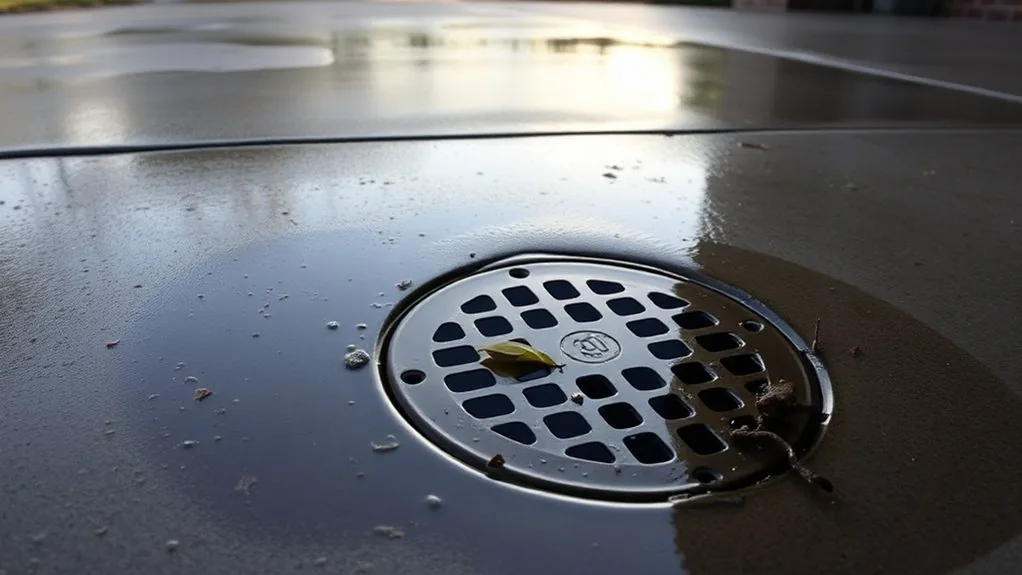
Slow drains or standing water indicate your waste pipes in Gravesend aren’t draining properly. This can cause leaks, contamination, and structural issues.
Prompt, BS EN-compliant diagnostics and appropriate repairs are essential to restore correct flow and prevent further damage.
Call now for a fast quote or emergency callout in Gravesend.
Although they’re often dismissed as minor annoyances, slow and standing‑water drains are clear indicators that your drainage system isn’t functioning correctly. You’re dealing with restricted hydraulic flow: wastewater enters the pipe faster than it can discharge, causing progressive water accumulation in fixtures, gullies, or floor drains.
A “slow” drain means water eventually clears but only after prolonged pooling, reflecting partial obstruction, inadequate venting, or undersized pipework relative to load. A “standing‑water” drain holds water persistently, indicating near‑total blockage or backfall.
From a code‑compliant standpoint, both conditions show that your system isn’t conveying wastewater by gravity as intended, increasing risks of structural moisture damage, contamination, and slip hazards. Effective drain maintenance restores design flow rates and protects your property’s hygiene and safety.
When you notice persistent water pooling in sinks, gurgling noises from drains, frequent toilet backups, or unpleasant odours around fixtures, your drainage system’s no longer operating within normal parameters. These symptoms can indicate partial blockages, venting issues, or failing components that may violate plumbing code requirements if left uncorrected. Recognizing these warning signs early helps you prevent unsanitary conditions, structural damage, and more costly emergency repairs.
Ever notice water consistently pooling in your sink long after you’ve shut off the tap? That isn’t just an annoyance; it’s a clear indicator your fixture isn’t draining at the flow rate plumbing codes anticipate. Persistent pooling often points to partial blockages, incorrect trap gradients, or undersized waste pipes, all of which compromise safe, sanitary operation.
You’ll also waste water because you’re likely to let the tap run longer, undermining Water conservation. From a hygiene standpoint, standing water can harbour bacteria and accelerate surface deterioration around seals and joints. Prompt Drain maintenance—clearing debris, verifying proper venting, and checking for compliant pipe diameters and falls—helps prevent escalation to leaks, fixture damage, or unsanitary backflow, ensuring your sink performs safely and efficiently.
Pooling isn’t the only warning sign your drainage system’s under strain; gurgling noises from sinks, tubs, or floor drains often indicate air’s being pulled through trapped water instead of moving freely through the vent system. That sound usually points to partial blockages, undersized or obstructed vents, or improper trap function, all of which can violate plumbing code and increase the risk of sewer gases entering your home.
You shouldn’t ignore these noises. A professional inspection with drain cleaning targets obstructions in traps, branches, and main lines while protecting pipe integrity. Where contamination’s suspected, water analysis helps identify bacteria, chemicals, or effluent drawn back toward fixtures. Addressing gurgling promptly maintains code-compliant venting, protects indoor air quality, and prevents slow or standing-water conditions from worsening.
How often is a “simple clog” really a symptom of a drainage system that’s starting to fail? When your toilet backs up more than occasionally, it’s a warning that wastewater isn’t flowing through the branch line or main stack as it should. You may notice slow refill, partial flushes, or water pooling briefly around the toilet base after plunging.
Frequent backups often indicate scale, grease, or root intrusion restricting the pipe’s effective diameter. DIY chemicals can damage fixtures and aren’t BS EN 12056 best practice. Instead, you should schedule professional drain cleaning using mechanical or high-pressure water jetting, which restores full bore without harming pipework. If backups affect multiple fixtures, treat it as a potential main-line obstruction and seek urgent, competent inspection.
Rarely does a persistent drain smell mean “it’s nothing to worry about.” Foul odours around basins, showers, or floor drains usually indicate that wastewater, biofilm, or sewer gases aren’t being contained and vented as required by BS EN 12056 and related local regulations.
If you’re noticing drain odor together with slow drainage or visible water stagnation, you’re likely dealing with partial blockages, failing traps, or inadequate ventilation. Standing water lets organic matter decompose, releasing hydrogen sulphide and methane, both hazardous at higher concentrations. It can also signal that trap seals are being siphoned or evaporating, allowing sewer gases to enter your property.
Don’t mask the smell with cleaners or air fresheners; have the drainage system inspected and cleared professionally.
Although every home’s plumbing layout is different, standing water and slow drains usually trace back to a short list of mechanical and maintenance issues. When debris builds up and you postpone drain cleaning, the internal diameter of the pipe effectively shrinks, restricting flow and causing water pooling in sinks, showers, and outside gullies. Over time, this can increase structural moisture risk and potential code violations if wastewater backs up.
Common causes include:
Addressing these underlying issues promptly reduces the likelihood of damp, mould, and sanitary hazards.
When you call us to deal with a slow or standing-water drain in Gravesend, we start with a structured diagnosis, often using CCTV inspection to pinpoint the obstruction or defect without disturbing compliant pipework. Based on those findings, we’ll select the safest effective method—such as high-pressure jetting or mechanical rodding and clearance—ensuring it’s appropriate for your pipe material, joints, and existing fittings. If the line is damaged or structurally unsound, we’ll explain whether a targeted repair or trenchless relining is the code-compliant, long-term solution.
Before any repair work starts, we carry out a structured diagnosis of your slow or standing‑water drains in Gravesend, using methods that comply with relevant UK standards and local authority requirements. We begin with surface checks of access covers, gullies, traps and observable Water flow, then relate findings to your property layout and any previous Drainage maintenance records.
Next, we deploy CCTV inspection equipment through existing access points. Our cameras are ATEX‑rated where required and operated under strict confined‑space and electrical‑safety procedures. Live video allows us to identify root ingress, scale, fat deposits, cracks, displaced joints and gradient defects. We record location, depth and structural condition, producing a digital survey report. This guarantees remedial work is accurately targeted, compliant, and avoids unnecessary excavation.
Once we’ve confirmed the cause and location of the obstruction, we typically clear slow and standing‑water drains in Gravesend using high‑pressure water jetting through existing access points. This method scours the internal wall of the drain pipe with regulated jets, restoring full water flow while protecting the pipe’s structural integrity.
We select nozzle type, pressure, and flow rate to match pipe diameter, material, and any shared or public connections, in line with UK water industry and health‑and‑safety guidance. Backflow risks are controlled and sensitive areas are isolated before jetting.
| Situation | How Jetting Helps |
|---|---|
| Grease and soap build‑up | Emulsifies deposits, restores bore size |
| Silt and scale | Dislodges heavy material, improves gradient |
| Tree root ingress* | Clears loose growth, aids follow‑up repairs* |
*Without replacing structural repair work.
Although high‑pressure jetting resolves most issues, we still rely on traditional rodding and modern mechanical clearance for certain slow or standing‑water drains in Gravesend, especially where access is tight or pipework is fragile. We select correctly sized, flexible rods or mechanical cutters to break down obstructions while maintaining compliance with Building Regulations and manufacturers’ specifications.
Before any drain cleaning, we’ll carry out a targeted pipe inspection to confirm block locations, check joint integrity, and identify any diameter changes or fittings that could snag equipment. Rods are advanced methodically, with controlled torque to avoid joint separation or pipe damage.
Mechanical clearance units are used with guards, RCD‑protected power, and ventilation where required, keeping you, your property, and our technicians safe throughout.
Rodding and mechanical clearance restore normal flow in most slow or standing‑water drains, but some systems show recurring faults or structural defects that simple cleaning can’t fix. When CCTV surveys reveal fractures, displaced joints, root ingress, or collapsed sections, you’ll need targeted repair or a compliant relining solution to restore safe water drainage.
We prioritise trenchless relining where possible, installing resin‑impregnated liners that cure in place and create a seamless, corrosion‑resistant pipe within the existing run. This minimises disruption, protects structural integrity, and supports long‑term drain maintenance.
If pipework is severely deformed, incorrectly graded, or non‑compliant with current Building Regulations, we’ll specify excavation and full replacement, ensuring correct falls, watertight joints, and appropriate access points for future maintenance and inspection.
How quickly can we get standing water and slow drains under control in your Gravesend property? You benefit from a rapid, structured response that prioritises safety, protects building fabric, and restores compliant water flow. When you call, we triage the issue, confirm site access, and advise any interim safety steps, such as isolating affected appliances or cordoning flooded areas.
Our engineers are dispatched across Gravesend with vehicle‑stocked equipment for CCTV surveys, jetting, and essential drainage maintenance. On arrival, they carry out risk assessments, confirm utility locations, and work to BS EN and Water Industry standards. Blockages, partial collapses, and silted lines are cleared methodically to re‑establish controlled water flow, minimise slip hazards, and reduce the likelihood of secondary structural or hygiene damage.
Even before you call an engineer, it’s important to understand who’s legally and practically responsible for slow or standing‑water drains on your Gravesend property, because that determines who must arrange – and pay for – remedial work. As a rule, you’re responsible for private drains serving only your home and within your boundary; the water company typically takes over at the lateral drain or public sewer.
| Situation | Likely Responsibility |
|---|---|
| Blocked kitchen / bathroom pipe | You / property owner |
| Shared drain before it meets public sewer | Joint owners / water company |
| Defective lateral drain in highway | Water company |
| Flooding from public sewer overflow | Water company / authority |
Clear allocation of duty supports safe Drainage maintenance, rapid response, and reduced Water damage risk.
Once you’re clear on who’s responsible for each part of your drainage, the next step is reducing the chance of slow or standing‑water drains occurring in the first place. Focus on routine checks and compliant upgrades that keep your system operating within Building Regulations and local authority guidance.
These steps reduce blockages, structural damage, and hygiene risks.
We use CCTV diagnostics, BS EN‑compliant materials, and method statements that prioritise backflow prevention and safe water circulation. Every intervention is documented, pressure‑tested where required, and aligned with local Gravesend authority guidance.
| What you care about | How we address it |
|---|---|
| Rapid fault location | CCTV, tracer dye, and gradient verification |
| Lasting performance | Root‑cause repair, not cosmetic clearing |
| Hygiene and safety | Disinfection, anti‑foul measures, PPE use |
| Regulatory peace of mind | Code‑compliant designs, written certification |
You need clear answers before you let anyone work on your drainage, so this FAQ covers how fast we can respond to slow and standing-water drains in Gravesend, what typical costs look like, and when it’s safe to attempt basic checks yourself. We’ll also set out when a competent person is required under UK building and water regulations to prevent damage, contamination, or non-compliance. Finally, you’ll see exactly which parts of Gravesend we cover so you can assess if a site visit is practical and safe.
Although every job depends on site conditions, slow and standing‑water drains in Gravesend are typically assessed and prioritised on the same day, with emergency callouts often attended within a few hours. You’ll usually receive an initial risk assessment on arrival, focusing on flood risk, contamination, and electrical safety.
Engineers then inspect access points, trap seals, and pipe gradients, following current UK building regulations and water byelaws. Rapid intervention isn’t just about convenience; it’s essential Drain maintenance that protects structural integrity and supports Water conservation by restoring efficient flow and preventing leaks or overflows.
In many cases, domestic blockages are cleared during the first visit, subject to site access and system condition. More complex issues, like collapsed pipes, are scheduled promptly with method statements and permits.
Several key factors determine the cost of resolving slow and standing‑water drains in Gravesend, including the location of the blockage, system layout, access requirements, and whether specialist equipment or out‑of‑hours attendance is needed. You’ll usually pay a fixed call‑out for initial investigation, then a clearly itemised fee for agreed drainage solutions.
A proper cost analysis should cover: CCTV surveys (often required under best‑practice and water‑byelaw guidance), high‑pressure water jetting, mechanical rodding, and any excavation or replacement of defective pipework to current Building Regulations and BS EN standards. Internal drains are typically cheaper than external or deep runs. You should also factor in reinstatement of surfaces and any compliance certificates or reports requested by insurers, landlords, or building control.
While it’s understandable to want to clear a slow or standing‑water drain yourself, it’s essential to distinguish between simple, safe checks and work that should only be carried out by a qualified drainage engineer. Basic DIY tips include removing visible debris from plugholes and gullies, cleaning hair traps, and using boiling (not scalding) water on greasy kitchen pipework, provided your pipe material can tolerate heat.
Safe troubleshooting techniques also include checking accessible traps for blockages and ensuring appliances discharge correctly into waste pipes. You shouldn’t dismantle concealed pipework, enter manholes, use aggressive chemicals, or rod shared or deep drains yourself. These activities risk breaches of Water Regulations, damage to pipework, and personal injury, and should always be left to a certified professional.
If a blockage goes beyond the simple checks you can safely carry out, the next question’s usually whether we can attend your property. We cover most of Gravesend, including major towns and rural areas, for both routine drain maintenance and fault-finding. If you’re unsure, you can provide your full postcode and we’ll confirm coverage before booking.
Our engineers are based across the county, so response times are kept practical and compliant with health and safety guidance, especially where foul waste or electrical risks are present. We also provide emergency services for standing water, sewage backing up, or slow drains that are close to overflowing. In higher-risk cases, we prioritise attendance to minimise property damage and environmental impact.
Yes, slow drains can attract pests and worsen indoor air quality. Stagnant wastewater allows biofilm and organic debris to build up, creating breeding grounds for insects and rodents. Decomposing material releases sewer gases and volatile compounds that can affect indoor air and may breach ventilation and plumbing regulations.
Home insurance may cover repairs for standing-water drainage issues if they are caused by a sudden, accidental event. Damage must be documented, claims submitted promptly, and policy conditions followed. Gradual seepage and poor maintenance are usually excluded, so repair costs for blocked or undersized drains are typically the homeowner’s responsibility. A qualified, insured contractor should assess the cause and suggest code-compliant repairs.
Yes, eco-friendly drain cleaning options are available as alternatives to harsh chemicals. These include biodegradable cleaners that use natural enzymes and bacteria to break down fats, soap scum, and food waste without damaging pipes. It is important to wear protective equipment and follow the manufacturer’s instructions to avoid harming seals, joints, or breaching local discharge regulations.
You should have a professional drain inspection every 12 to 24 months. For older or heavily used systems, inspections should be done annually. Always request a drain camera survey during the inspection to identify issues like root intrusion, grease build-up, and pipe defects. Increase the inspection frequency after major blockages, building alterations, or if you notice slow drains or unpleasant odours.
Yes, slow or standing-water drains can lower your property’s resale value. They often indicate possible hidden issues such as poor pipe gradients or inadequate venting, which may lead to damp or structural problems. It is important to fix any blockages, repair the drainage system, and obtain certification from a qualified contractor before selling.
Though a slow or standing-water drain might seem minor at first, it’s often a clear warning of partial blockages, venting issues, or developing sewer line problems that can escalate into backups, overflows, and water damage. When you act early, you protect your property, comply with Building Regulations, and reduce long-term repair costs.
We’ll diagnose the cause, restore correct water flow, and recommend practical drain maintenance so issues don’t return. Using safe, regulation-compliant methods, we clear pipework, check traps and vents, and verify that wastewater discharges correctly to the appropriate system.
You won’t be left guessing. You’ll get clear findings, risk-based advice, and, where required, evidence suitable for insurers or landlords. Get your drains professionally assessed and made safe today.